How They Built the UK’s Tallest Building: The Shard
Alyssa Castillo
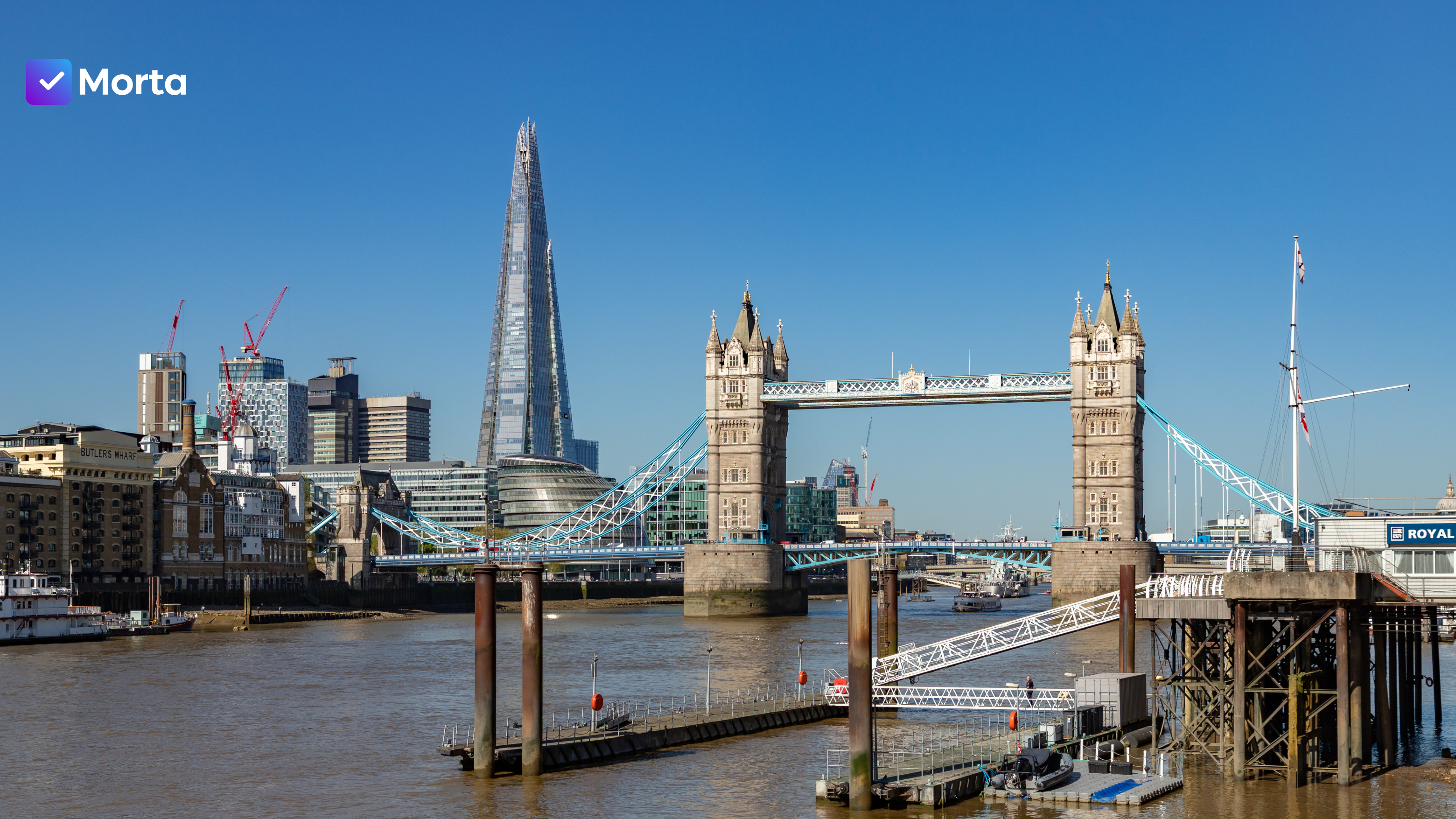
In early renderings, The Shard looked almost unrealistic. A glass spire cutting through London’s skyline, tapering into the clouds above London Bridge.
Many dismissed it.
Too tall. Too bold. Wrong location. Wrong timing.
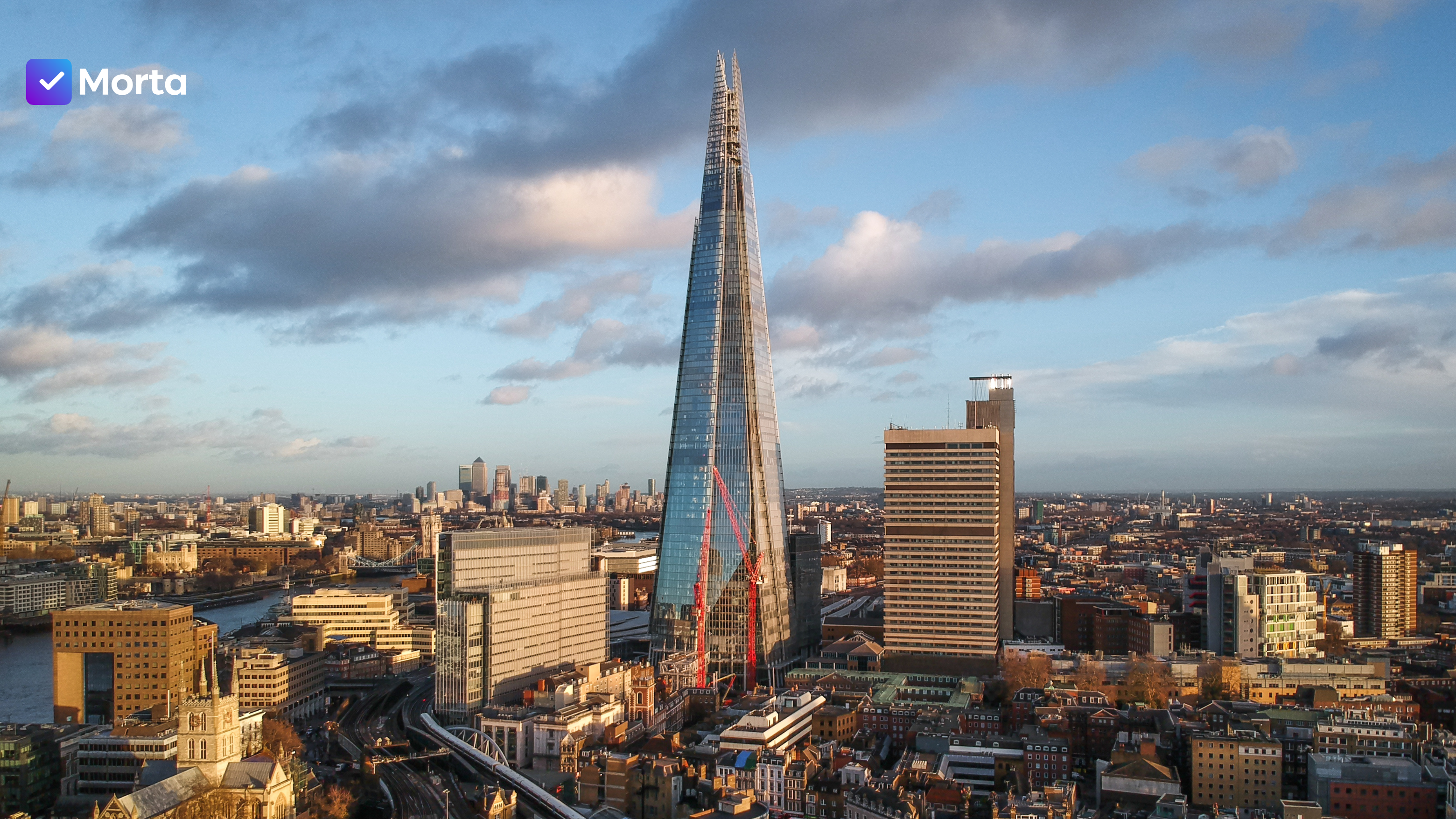
Yet today, The Shard London stands at 310 metres, the tallest building in the United Kingdom, reshaping not just the skyline but the economics of its surrounding district.
The story of The Shard is not architectural theatre. It is a lesson in timing, conviction, capital structure, and operational control under pressure.
And for property developers, it reads less like a fairy tale and more like a cautionary manual.
It Started With an Unfashionable Site
In the late 1990s, London Bridge was busy but not glamorous. It was a commuter interchange surrounded by underperforming commercial stock.
The site sat directly over one of London’s busiest railway stations. Most developers would have avoided it. Logistically complex. Structurally demanding. Politically sensitive.
But building vertically above transport creates long term advantage. Footfall is permanent. Connectivity is permanent. Demand remains stable.
The Shard was never meant to be just an office tower. It was conceived as a vertical city. Offices, hotel, residential, restaurants, public viewing platforms.
That mix was strategic.
Single use buildings are easier to model. Mixed use buildings are harder to manage but more resilient over time.
When one revenue stream slows, another compensates.
For developers managing schemes today, diversification within one structure can protect against market cycles. But diversification increases operational layers. Different tenant types. Different compliance standards. Different reporting expectations.
The complexity multiplies quickly.
Without centralised oversight, the margin erodes quietly.
Planning Was a Fight
The Shard faced serious resistance.
Critics argued it would damage London’s historic skyline. Heritage bodies objected. A public inquiry followed.
Approval was granted, but only after scrutiny.
Large scale property development in the UK has never been purely technical. It is political. It is cultural. It is reputational.
Developers entering the industry through property flipping often underestimate this. A refurbishment in a suburban neighbourhood does not invite the same scrutiny as a skyline altering structure.
But even mid scale developments now encounter heightened planning requirements, environmental assessments, and public consultation processes.
Tracking consultant deliverables, submission deadlines, design amendments and planning conditions is procedural work. Yet procedural work is where delays are born.
Systems that structure pre construction planning reduce that risk significantly. When planning documents and consultant responsibilities are tracked in a unified environment, administrative slippage becomes visible rather than surprising.
This is why modern property development software has become embedded within serious development teams.
The Financial Crisis Changed Everything
Construction began in 2009.
The global financial crisis had already destabilised markets. Commercial lending tightened. Confidence was thin.
At that stage, large developments were not fashionable.
The Shard survived because its capital structure adapted. Qatari investors acquired a major stake, providing stability when conventional funding channels became uncertain.
The ability to attract international capital during instability was not accidental.
Large investors expect clarity. Cost controls must be visible. Programme timelines must be credible. Risk exposure must be documented.
This is where development moves from optimism to discipline.
In today’s environment, that discipline is reinforced digitally. Investor reporting, cost forecasting, and pipeline management are no longer scattered across disconnected spreadsheets.
Integrated systems such as Morta CRM allow developers to manage investor relationships and project data within one operating environment, reducing fragmentation during funding conversations.
Capital flows towards clarity.
Building Above a Live Railway Station
Constructing The Shard above London Bridge Station was not a design flourish. It was an engineering constraint.
Trains operated continuously below the site. Construction had to work around active infrastructure. Material deliveries were tightly scheduled. Safety standards were uncompromising.
At peak periods, more than 1,000 workers were active on site.
Coordination at that scale is less about inspiration and more about discipline.
Contractor communication must be structured. Variation orders must be documented precisely. Compliance checks must be logged. Quality inspections must be traceable.
When these workflows are informal, the consequences are expensive.
Software for property development now enables real time collaboration between contractors, consultants and internal teams. Documentation, approvals, and updates are centralised rather than dispersed.
This is not technological theatre. It is cost protection.
Engineering at Height
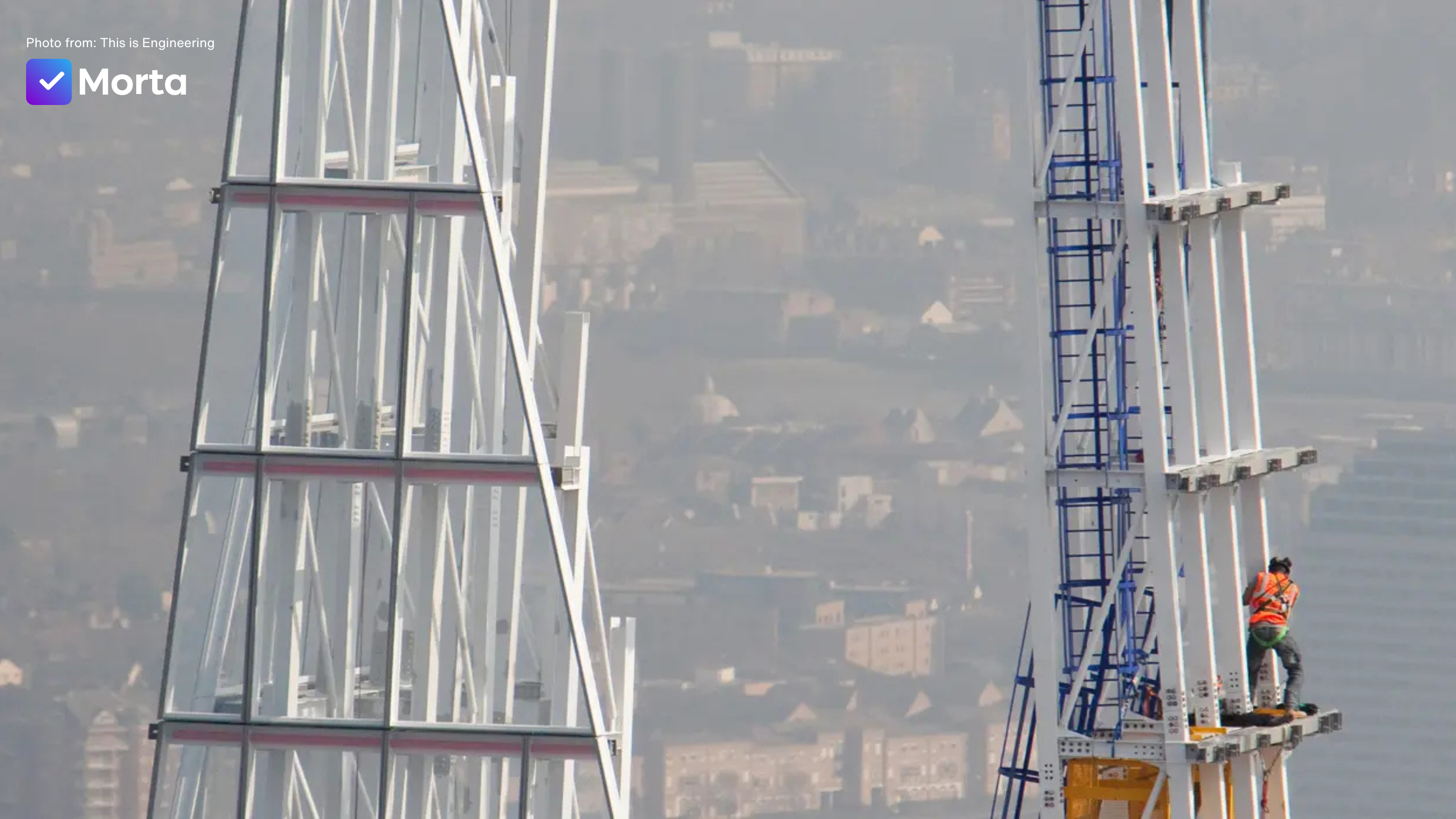
The Shard’s reinforced concrete core supports a steel frame that tapers as it rises. The narrowing form reduces wind load and structural stress.
Its glass façade consists of thousands of panels arranged to create a fragmented appearance, giving the tower its distinctive identity.
Foundations extend deep due to its proximity to the Thames and existing transport tunnels.
Every engineering decision carried commercial implications.
Even developers building far smaller schemes understand this dynamic. Complexity compounds cost.
Live cost monitoring is no longer optional in volatile markets. Material prices fluctuate. Labour availability shifts. Supply chains stall.
Structured cost planning tools within Morta property development systems provide visibility before problems escalate. By aligning cost data with programme stages, developers reduce reactive decision making.
Margin is rarely lost in one dramatic moment. It disappears gradually through poor visibility.
The Shard London houses offices, the Shangri La hotel, residential apartments, restaurants, and public viewing galleries.
That blend of uses spreads risk and extends commercial lifespan.
For developers scaling up from smaller projects, this model offers an important lesson. Long term resilience often lies in mixed income layering rather than single exit strategies.
However, multiple asset classes introduce multiple operational demands.
Commercial tenants negotiate differently from residential buyers. Hospitality operators require brand alignment. Public access demands safety protocols.
Managing these relationships requires structured CRM oversight. A property development CRM designed specifically for developers allows teams to manage land leads, joint venture partners, investor relationships and buyer pipelines without fragmentation.
Morta software integrates CRM functions directly into the broader development lifecycle, reducing silos between commercial strategy and operational execution.
Completion Was Not the End
When The Shard opened in 2012, it did not reach full occupancy overnight.
Leasing cycles continued. Residential units sold over time. Operational performance evolved.
Post handover phases determine whether a development strengthens or weakens a developer’s long term credibility.
Defect management, tenant communication, and compliance follow through matter as much as ribbon cutting ceremonies.
Developers often underestimate the administrative weight of post completion obligations. Informal defect tracking creates confusion. Delayed resolutions create reputational damage.
Integrated post handover workflows ensure continuity between construction delivery and operational management. Within Morta software, defect management and project handover processes remain within the same structured system used during earlier stages.
Continuity protects brand equity.
Why The Shard Still Defines the Conversation
Many global cities have taller buildings than The Shard.
What keeps it relevant is not its height but its context.
It was built during financial uncertainty.It overcame planning resistance.It introduced vertical mixed use density into a historically cautious skyline.It was constructed above live transport infrastructure.
It forced London to reconsider how it uses space.
For property developers today, the relevance lies in the mechanics.
Risk layering.Capital alignment.Operational discipline.Long term asset management.
These are not architectural qualities. They are organisational ones.
The Quiet Evolution of Development Infrastructure
When The Shard was conceived, much of development oversight relied on manual reporting and fragmented systems.
Property development software has evolved from convenience to core infrastructure.
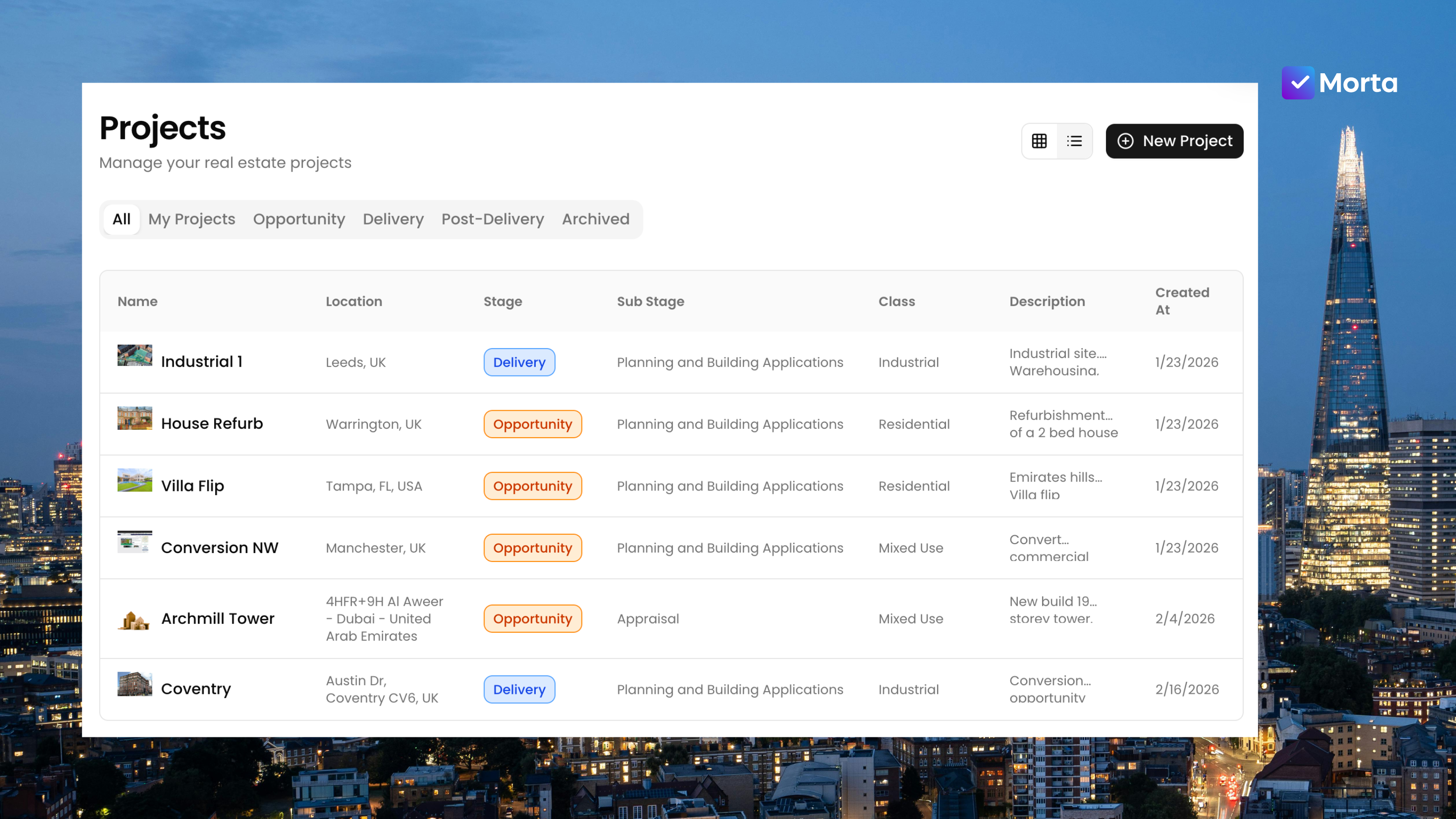
Morta was built around that shift. It centralises project planning, CRM, cost reporting, contractor collaboration, compliance management, and post handover processes within one environment.
Not to add complexity, but to contain it.
The Shard: The Real Story
The Shard stands at 310 metres.
But the more important figure is the number of years it took to move from concept to completion.
More than a decade of planning, funding negotiation, structural engineering, coordination, leasing and stabilisation.
Height is visible.
Execution is not.
For developers building today, the lesson is not about glass panels or skyline drama.
It is about control.
Control of planning risk.Control of cost exposure.Control of communication.Control of capital relationships.
Landmarks are built through ambition.
They are delivered through systems.
And systems are what determine whether ambition becomes a skyline or a spreadsheet loss.
The Future of Property Development
The Shard did not stand up because of inspiration alone. It stood up because every layer of risk was tracked, documented, negotiated and controlled over time. Planning submissions were managed carefully. Funding conversations were backed by numbers. Contractors were aligned through structure, not assumption. Post completion obligations were not left to memory.
Most developments will never alter a skyline. But every development, regardless of size, carries the same categories of risk. Costs move. Timelines shift. Stakeholders change. Regulations tighten. The difference between a controlled project and a stressful one is rarely ambition. It is visibility.
This is where modern development infrastructure matters.
Morta provides a unified environment for project planning, CRM, cost reporting, collaboration, compliance management and post handover processes. Instead of juggling spreadsheets, inbox threads and disconnected tools, development teams operate from a single source of truth. That clarity supports better decisions long before problems escalate.
If you are building seriously, your systems should reflect that.
Because height may capture attention, but structured execution is what carries projects across the finish line.