Alyssa Castillo
Material decisions are rarely treated as strategic early on. They sit quietly inside the cost plan, often driven by availability, pricing, or contractor preference. Yet for property developers, the choice of building materials can quietly shape everything that follows. Programme delays, compliance issues, operating costs, and even exit value.
This is where the conversation around unsustainable building materials becomes practical, not theoretical. It is not about ticking a sustainability box. It is about avoiding materials that introduce long term risk into your scheme.
Developers who maintain control over this stage tend to work from a clearer, connected view of their projects. When procurement, cost planning, and delivery data sit in one place, it becomes easier to spot where materials could become a problem before they are locked in. This is the kind of visibility modern property development software like Morta.com is starting to bring into early stage decision making, where these calls actually matter.
In this article, we will break down eight unsustainable building materials from a developer’s perspective. Not just what they are, but why they become liabilities over time.
Try Morta for FreeBefore getting into specifics, it helps to clarify what unsustainable building materials actually mean in property development.
It is not just about environmental impact, although that plays a role. From a developer’s standpoint, a material becomes unsustainable when it introduces friction into the lifecycle of the asset.
That friction can show up in different ways. Volatile pricing that disrupts your cost plan. Regulatory pressure that forces redesign. Poor durability that increases defects post handover. Or operational inefficiencies that reduce tenant appeal and long term income.
When you combine these factors, certain materials consistently create more problems than they solve.
Polyvinyl chloride, commonly known as PVC, is widely used in pipes, flooring, and window frames. It is attractive because it is cheap and easy to install.
The issue is what happens beyond installation.
PVC production relies on toxic chemicals and releases harmful pollutants during manufacturing and disposal. Over time, it can degrade under UV exposure, leading to maintenance issues in external applications.
From a developer’s perspective, this becomes a lifecycle cost problem. Lower upfront pricing often leads to higher replacement or repair costs, especially in projects exposed to heat or sunlight.
There is also growing regulatory scrutiny around PVC use, particularly in markets pushing stricter environmental standards.
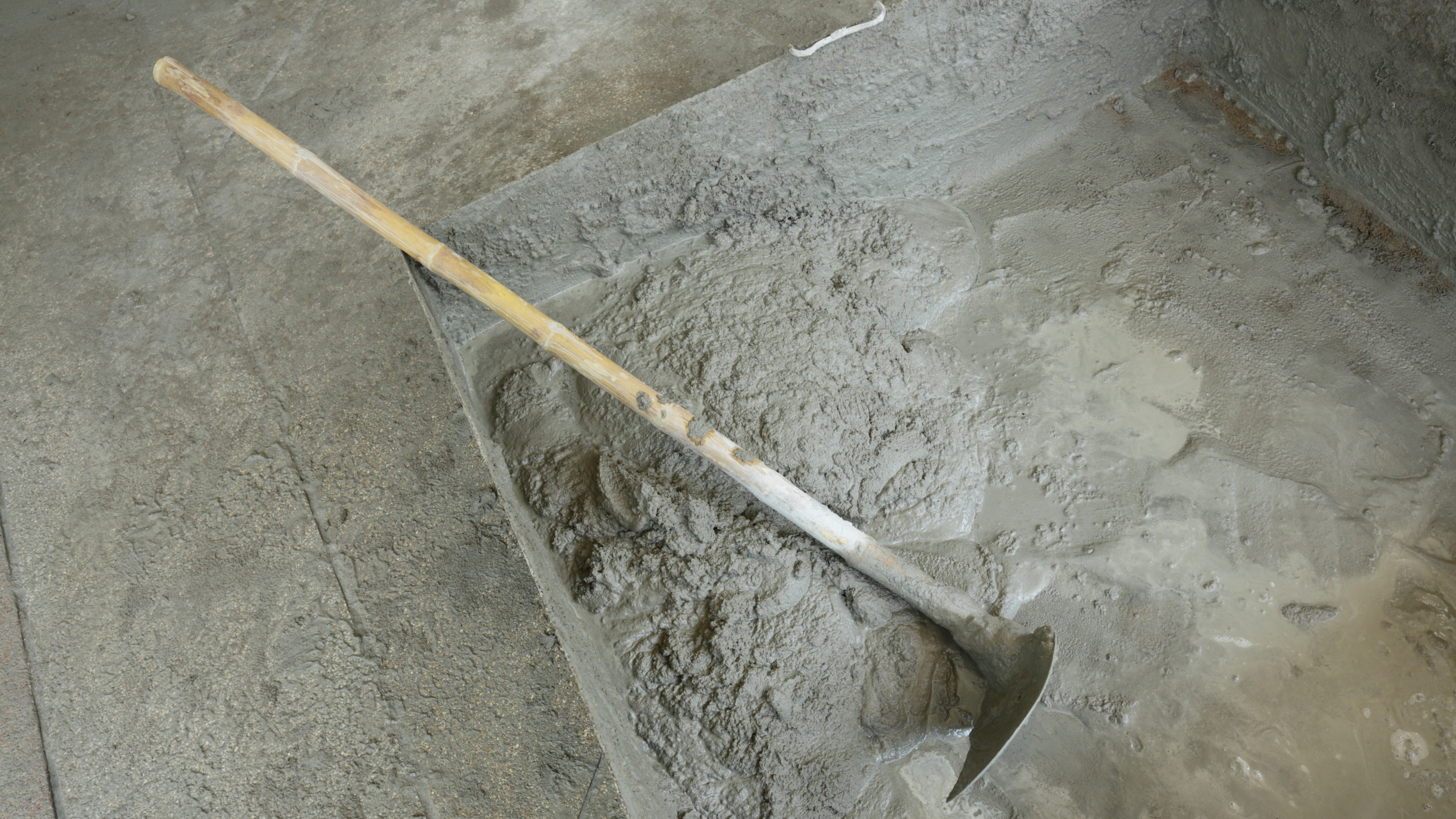
Concrete is unavoidable in most developments. The problem lies in how it is specified.
Traditional concrete mixes with high cement content carry a significant carbon footprint. Cement production alone accounts for a large share of global emissions.
For developers, the issue is not just environmental. It is also cost volatility.
Cement prices are sensitive to energy costs and supply chain disruptions. When this fluctuates, it directly affects your build cost and margins.
More developers are now exploring alternative mixes or supplementary materials, not just for sustainability, but to stabilise costs over time.
Hardwood finishes are often used to elevate perceived value. The problem arises when sourcing is not controlled.
Uncertified tropical hardwood is linked to deforestation and illegal logging. Beyond ethical concerns, this creates compliance risks, particularly in regions with strict import regulations.
For developers, this can lead to procurement delays or reputational issues that affect sales and investor confidence.
There is also a pricing risk. As supply tightens due to regulation, costs can increase unpredictably.
Source: https://www.wwf.org.uk/updates/what-illegal-logging
Fibreglass is one of the most common insulation materials used across developments. It is affordable and widely available.
However, it presents several long term concerns.
It has relatively poor durability compared to newer alternatives and can lose effectiveness over time, especially if exposed to moisture. This reduces energy efficiency, which in turn affects operating costs for tenants.
There are also health considerations during installation and maintenance.
For developers focused on long term asset performance, this becomes a question of whether initial savings justify potential inefficiencies later.
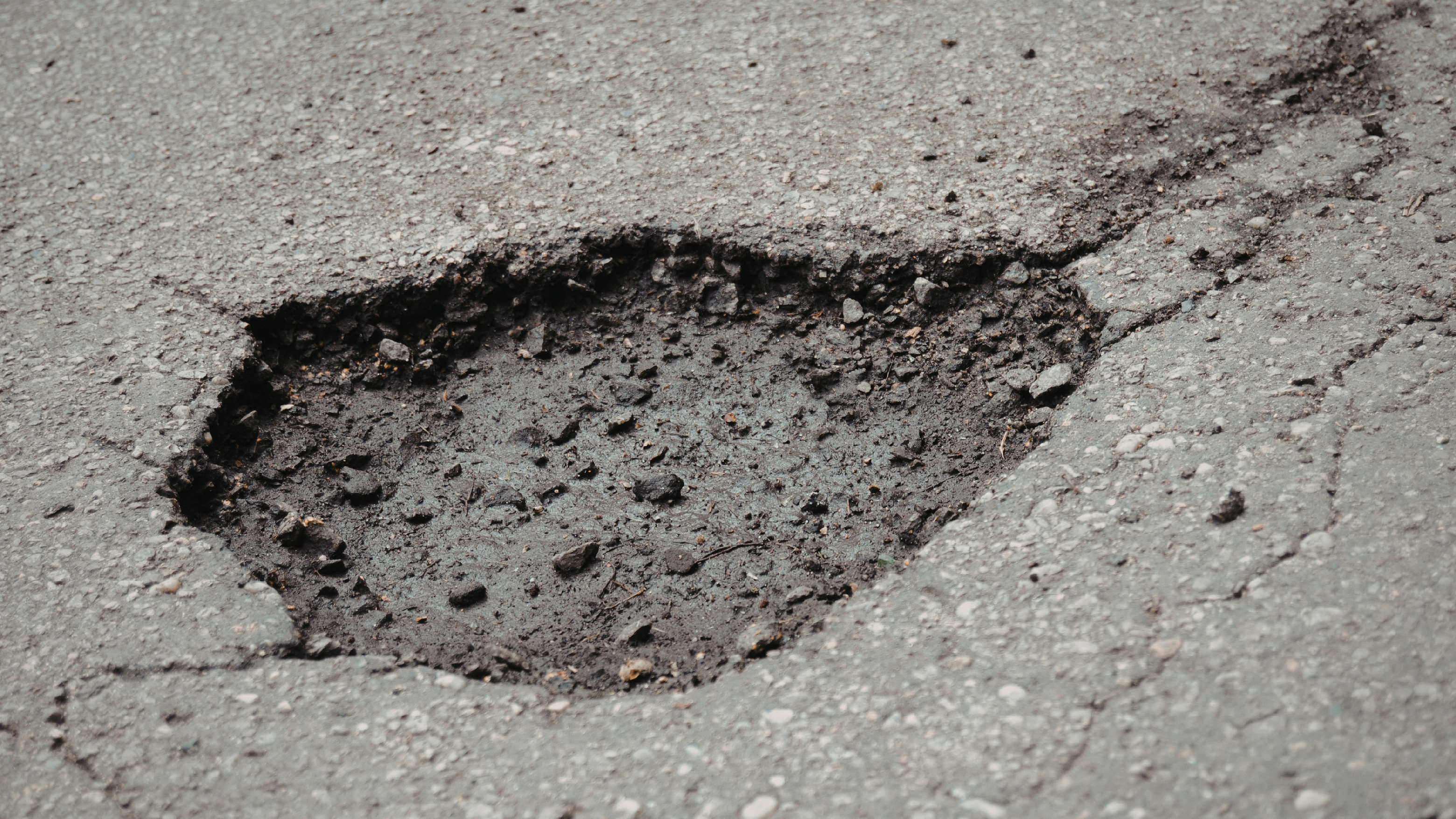
Asphalt roofing is widely used due to its low cost and ease of installation.
The issue is lifespan.
Compared to more durable roofing systems, asphalt tends to degrade faster under extreme weather conditions. This leads to more frequent replacements and higher lifecycle costs.
There is also an environmental angle. Asphalt production is energy intensive, and disposal contributes to landfill waste.
From a developer’s standpoint, this creates both maintenance and sustainability concerns, particularly in long hold assets.
Aluminium is often considered recyclable, which gives it a sustainability edge on paper.
The reality is more complex.
Primary aluminium production is extremely energy intensive. If the material is not sourced from recycled supply, its environmental impact is significant.
For developers, this translates into exposure to energy price fluctuations. When energy costs rise, aluminium pricing follows.
This can affect façade budgets and overall project costs, especially in large scale developments.
Composite materials that cannot be easily separated or recycled are becoming increasingly problematic.
They are often used for convenience or performance, but their end-of-life impact is significant.
For property developers, this creates a disposal issue. As regulations tighten around waste management, materials that cannot be reused or recycled may incur higher costs.
There is also a growing expectation from investors and buyers for more sustainable construction practices, which can influence demand.
Steel is a core material in many developments, but quality matters.
Low-grade steel may reduce upfront costs, but it often leads to durability issues, particularly in environments exposed to moisture or temperature changes.
This increases the likelihood of defects, repairs, and even structural concerns over time.
For developers, this is not just a maintenance issue. It can affect the long term value of the asset and increase liability.
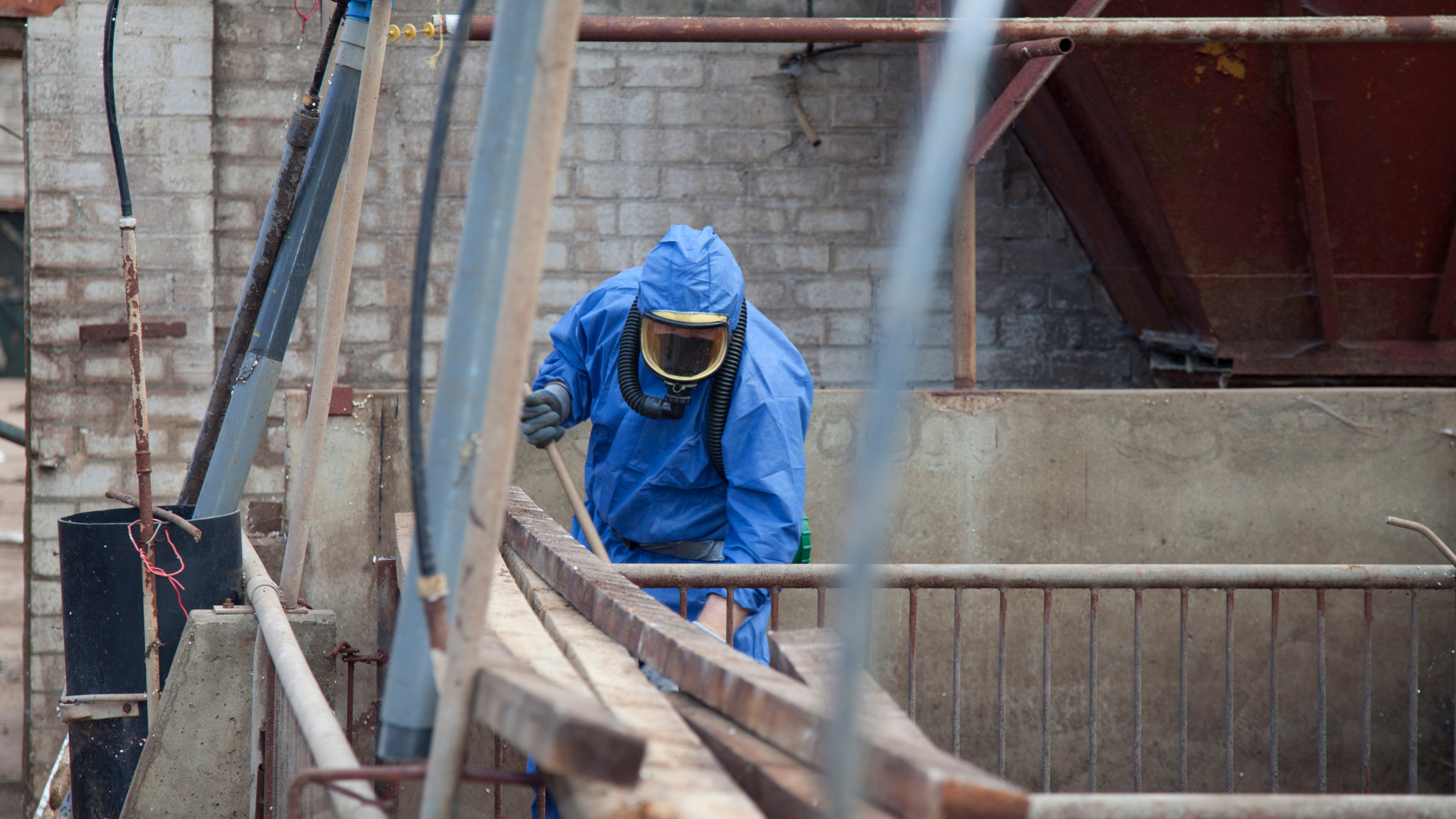
For developers working on refurbishments or property flipping, asbestos is still a real risk.
It is commonly found in older buildings in insulation, ceilings, and roofing. If disturbed without proper handling, it can stop a project immediately and trigger costly removal, delays, and legal issues.
The key is early visibility. Proper surveys before acquisition or strip-out can prevent unexpected costs from hitting your programme and margins later on.
For a long time, material selection sat at the operational level. It was handled during procurement, often after key financial decisions had already been made.
That is changing.
Unsustainable building materials are now directly linked to project performance. They influence cost stability, compliance, tenant demand, and exit value.
Developers who treat this as a strategic decision tend to maintain better control over their projects.
This is where having a connected view of procurement, cost planning, and delivery becomes critical. When these elements are fragmented, it is easy for material risks to go unnoticed until they become expensive problems.
With the right systems in place, developers can track how material choices impact budgets and timelines in real time. This reduces the gap between planning and execution.
Rather than treating sustainability as a separate layer, it helps to integrate it into your existing development workflow.
A few considerations that tend to hold up in practice:
These are not new ideas. The challenge has always been execution.
When information is spread across spreadsheets, emails, and disconnected tools, it becomes difficult to maintain consistency. Decisions are made in isolation, and the full impact is only seen later.
This is where structured property development software starts to play a role. By keeping cost planning, procurement, and project delivery aligned, developers can make more informed material decisions from the start.
Unsustainable building materials are not just an environmental concern. For property developers, they are a commercial risk.
The wrong choice can quietly erode margins, introduce delays, and affect the long term performance of your asset.
The developers who stay ahead are the ones who treat material decisions with the same level of attention as site acquisition or financial modelling.
This requires clarity. Not just in data, but in how that data connects across your project.
Platforms like Morta are designed around that principle. By bringing planning, procurement, and delivery into one place, it becomes easier to see how each decision impacts your overall position before it is locked in.
If you are currently reviewing your development pipeline or planning your next project, it is worth stepping back and asking whether your material decisions are as controlled as they should be.
Book a discovery call today and see how Morta can support your next development with better visibility from day one.
