Property Development
What Is a Data Centre? A Guide for Property Developers
Alyssa Castillo
Alyssa Castillo
If you are a property developer in 2026, you have likely felt the shift already. Demand is no longer driven only by residential growth, office absorption, or retail footfall. It is being pulled, aggressively, by data.
Streaming platforms, AI tools, financial systems, logistics networks, and even smart buildings all depend on infrastructure that most people never see. That infrastructure sits inside data centres.
Understanding what a data centre is, how it works, and why it has become one of the most valuable development opportunities globally is no longer optional. It is becoming a strategic advantage.
This guide breaks it down in a way that is relevant for developers. Not just what a data centre is, but how it fits into land acquisition, feasibility, planning, and long-term portfolio growth.
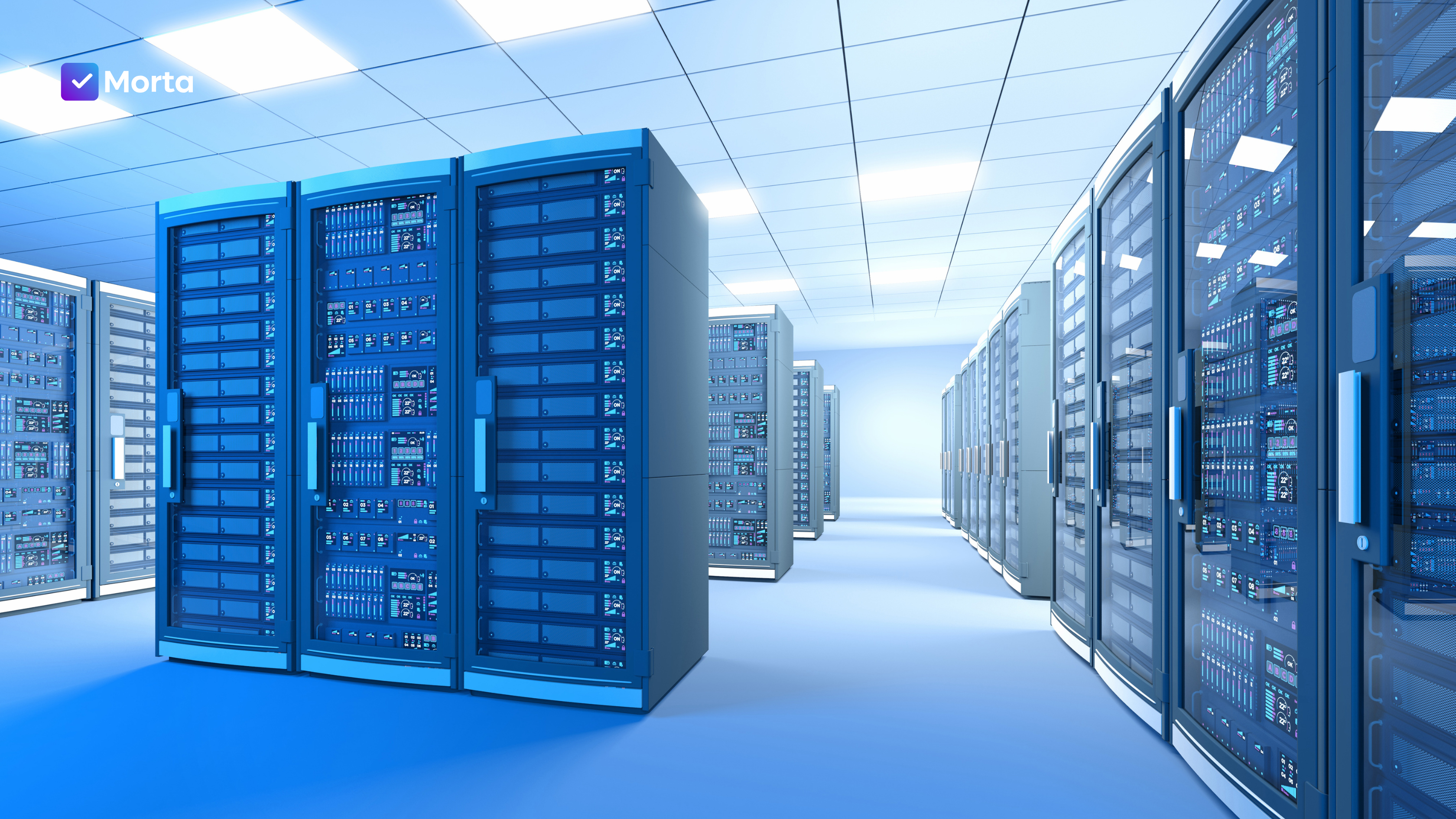
At its simplest, a data centre is a facility that stores, processes, and distributes digital information.
Inside, you will find servers, networking equipment, storage systems, and cooling infrastructure working continuously to keep applications and data accessible. Every time someone opens an app, uploads a file, or runs an AI query, there is a data centre somewhere supporting that action.
From a development perspective, it is closer to infrastructure than traditional real estate. It combines elements of industrial, energy, and technology assets.
The reason this matters is because the development logic is different. It is not just about location and demand. It is about power capacity, fibre connectivity, latency, and operational resilience.
For developers asking what is a data centre in the context of opportunity, the better question is this:
Where does digital demand intersect with physical land?
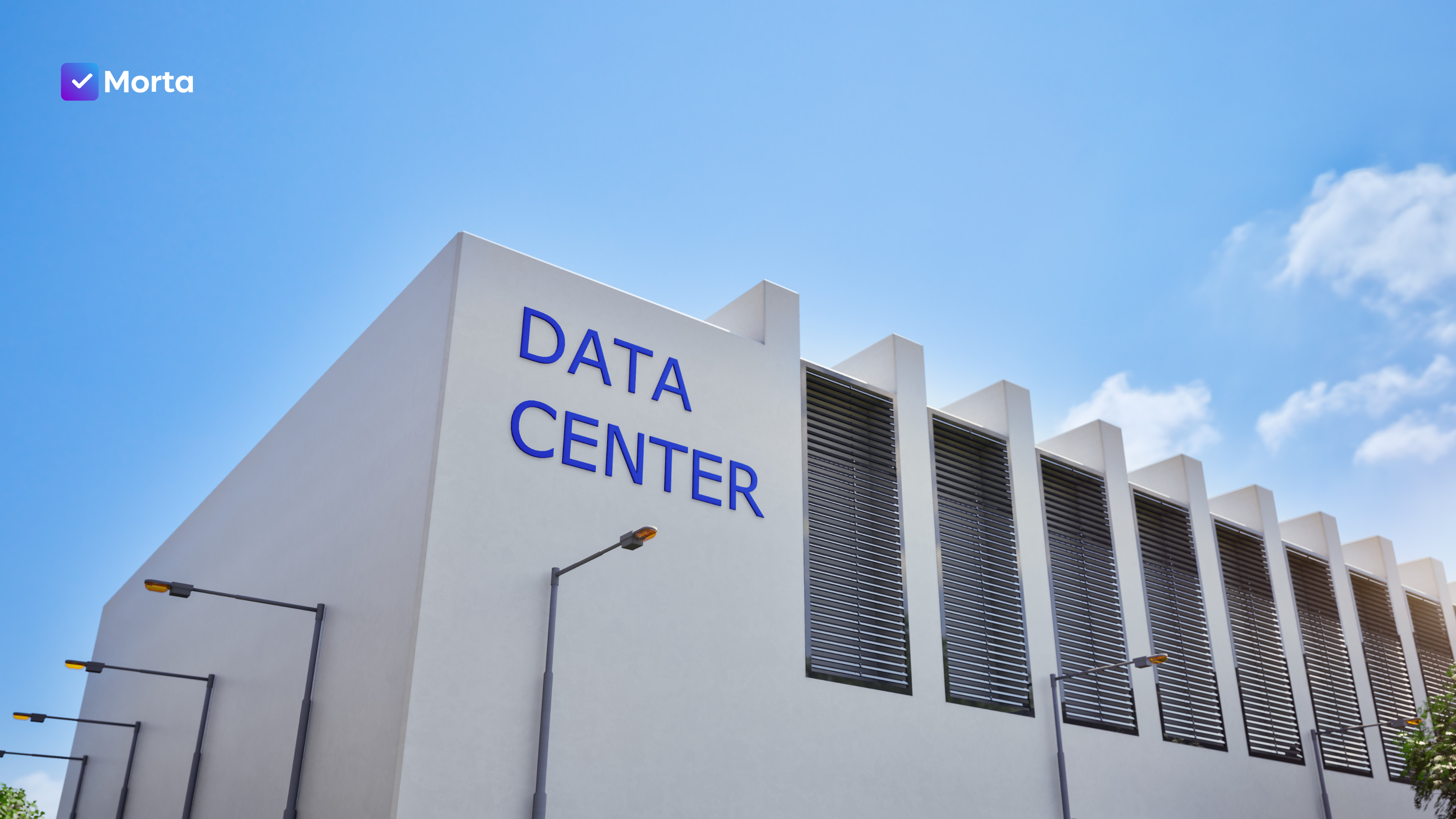
The rise of data centres is not a trend. It is a structural shift tied to how the global economy now operates.
According to the International Energy Agency, data centres and data transmission networks account for around 1 percent of global electricity demand, with significant growth expected due to AI adoption.
At the same time, hyperscale operators such as Amazon Web Services, Microsoft Azure, and Google Cloud are expanding aggressively, securing land and power at scale.
For property developers, this creates a new type of tenant and a new type of exit strategy.
Instead of selling units or leasing offices, developers are:
This is why searches for data centres UK and largest data centres in the world have surged. Developers are actively trying to understand where they fit in this ecosystem.
Try Morta for FreeWhen people search for the largest data centre in the world, they are usually looking for scale. But scale alone does not tell the full story.
Take Switch SUPERNAP in Nevada. It spans millions of square feet and is designed for hyperscale clients. It is not just large. It is engineered for redundancy, security, and energy efficiency.
Then you have China Telecom’s Inner Mongolia Information Park, often cited among the largest data centres in the world, built to support massive national-scale demand.
In Europe, particularly in data centres UK markets such as London, Slough, and Manchester, the model is slightly different. Space is more constrained, so developers focus on high-density builds with strong connectivity.
What these examples highlight is that success in this space is not about copying scale. It is about understanding the variables that matter:
For developers used to residential or mixed-use schemes, this requires a different feasibility mindset.
The UK has become one of the most active data centre markets globally.
According to Knight Frank, London alone accounts for a significant share of Europe’s data centre capacity, driven by financial services, tech companies, and global connectivity.
The “golden triangle” of Slough, Hayes, and Docklands continues to attract investment, but there is now clear expansion into secondary markets due to land and power constraints.
For developers, this creates two distinct opportunities:
Prime locations with high competition but strong demandEmerging locations where early positioning can unlock long-term value
This is where traditional property flipping strategies begin to evolve.
Property flipping is typically associated with buying, refurbishing, and selling assets quickly for profit.
Data centre development sits on the opposite end of the spectrum. It is capital-intensive, long-term, and operationally complex.
However, there is a middle ground emerging.
Some developers are now acquiring land or underutilised industrial assets, securing power agreements, and repositioning these sites for data centre use. The uplift in value can be significant once the right infrastructure is in place.
In that sense, it becomes a more strategic form of property flipping. Not cosmetic upgrades, but fundamental repositioning based on future demand.
The challenge is that the margin for error is smaller. Decisions around land, power, and design carry long-term consequences.
This is where having structured visibility across feasibility, cost planning, and delivery becomes critical.
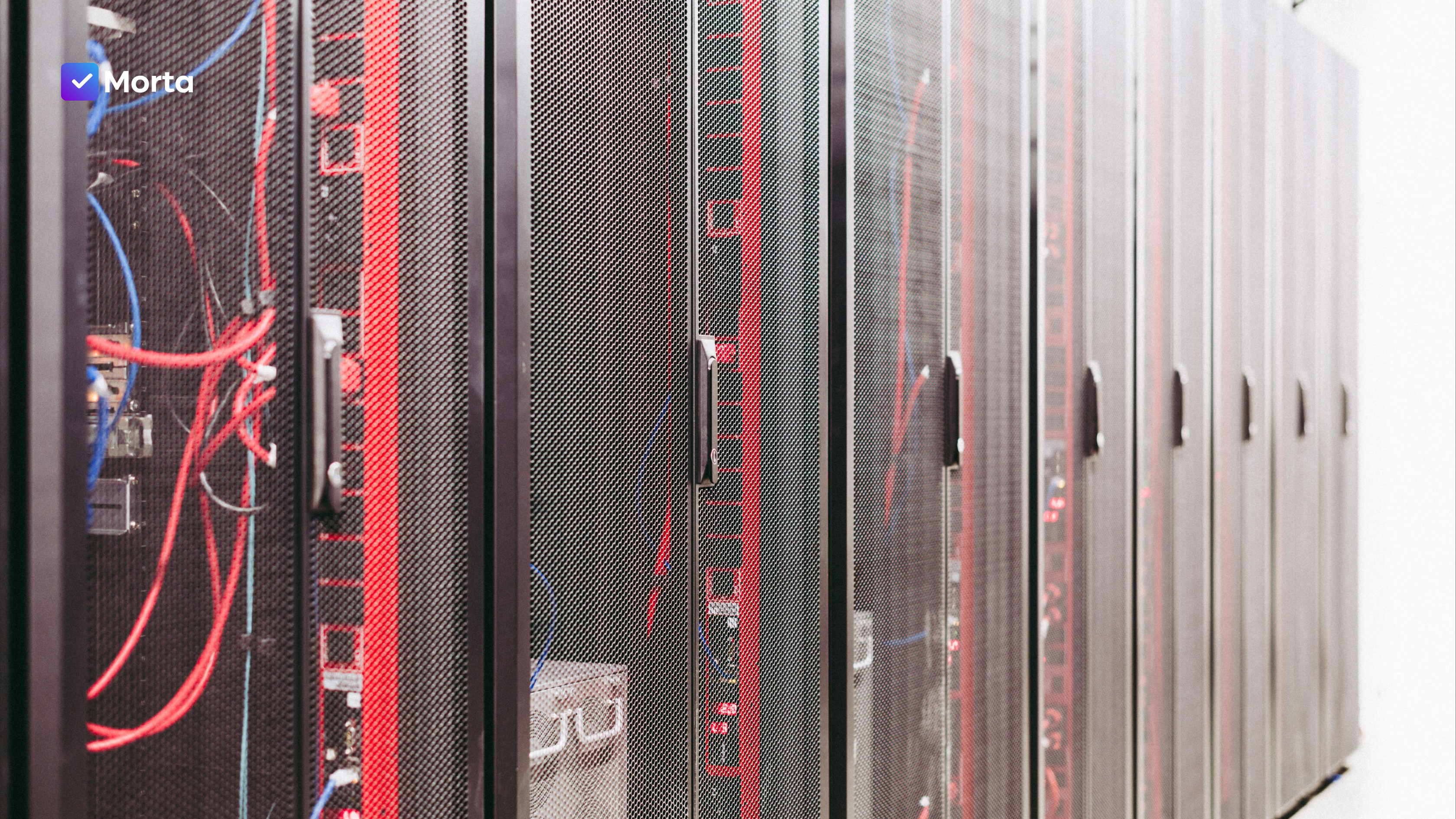
On the surface, a data centre might look like a large warehouse filled with servers.
In reality, it is one of the most complex asset types to deliver.
You are dealing with:
Every decision made at the pre-construction stage has a direct impact on long-term performance.
For example, underestimating power requirements or miscalculating cooling loads can lead to expensive redesigns or operational inefficiencies.
This is why developers are increasingly turning to specialised property development software to manage these complexities from day one.
As projects become more complex, the role of property development AI is becoming more visible.
Not in a futuristic sense, but in practical, day-to-day decision making.
Developers are using AI to:
Instead of relying on fragmented spreadsheets and disconnected tools, there is a shift towards integrated systems that centralise data and provide real-time insights.
This is where platforms like Morta.com begin to make sense in the workflow.
Data centre projects amplify the challenges that already exist in property development.
Multiple stakeholders, tight timelines, cost sensitivity, and regulatory pressure are all intensified.
Using generic tools often leads to:
This is why purpose-built software for property development is gaining traction.
A platform like Morta.com brings together feasibility, cost planning, project delivery, and reporting into a single system. For developers working on complex assets like data centres, this level of integration reduces risk and improves decision-making.
One of the biggest shifts when moving into data centre development is the level of control required.
In residential projects, delays or cost overruns are often manageable within a certain range.
In data centres, downtime or performance issues can have significant financial consequences for operators.
This means developers need:
Without this, decision-making becomes reactive rather than proactive.
Developers who adopt structured systems early tend to have a significant advantage. Not just in delivery, but in how they present opportunities to investors and partners.
Try Morta for FreeThe growth of data centres is reshaping how developers think about land, assets, and long-term value.
It is no longer just about building space. It is about enabling infrastructure that supports the digital economy.
This shift is already influencing:
For developers entering this space, the learning curve can be steep. But the opportunity is equally significant.
Those who understand both the physical and digital requirements of these assets will be better positioned to compete.
Data centres are not replacing traditional property development. They are expanding it.
They introduce a new layer of complexity, but also a new category of opportunity.
For developers willing to adapt, this is not just another asset class. It is a chance to be part of the infrastructure that underpins everything from AI to global finance.
Understanding what a data centre is, where the demand is heading, and how to manage the complexity of these projects is now part of staying competitive.
And as projects become more demanding, the systems you rely on become just as important as the sites you acquire.
That is where platforms like Morta.com start to feel less like software and more like an advantage.